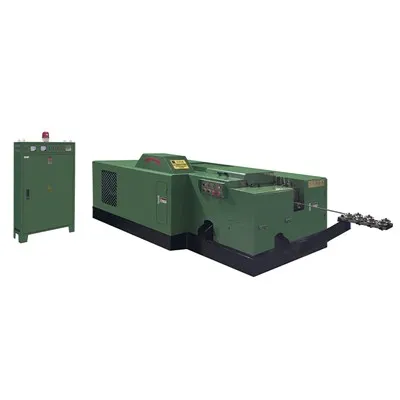
When it comes to the operation of a Cold Forging Header Machine, the skills of the operator play a pivotal role in ensuring efficient production, high - quality output, and workplace safety. As a Cold Forging Header Machine supplier, I have witnessed firsthand the significance of well - trained operators. In this blog, I will delve into the key requirements for an operator's skills when using a Cold Forging Header Machine.
1. Technical Knowledge
Understanding of Machine Mechanics
An operator must have a solid understanding of the mechanical components of the Cold Forging Header Machine. This includes knowledge of the die - set, the feeding system, the striking mechanism, and the lubrication system. For example, understanding how the die - set works is crucial as it directly affects the shape and quality of the forged parts. The die - set consists of multiple components such as punches and dies, and any misalignment or wear can lead to defective products.
The feeding system is another critical part. Operators should know how to adjust the feeding speed and length to ensure a continuous and accurate supply of raw materials. A malfunction in the feeding system can cause jams or inconsistent product dimensions.
Knowledge of Forging Processes
Cold forging is a complex process that involves shaping metal at room temperature. Operators need to understand the principles of cold forging, including the flow of metal, the formation of internal stresses, and the relationship between the forging force and the final product quality. For instance, different metals have different flow characteristics during cold forging. Steel, aluminum, and copper will behave differently under the same forging conditions. An operator should be able to select the appropriate forging parameters based on the type of metal being used.
2. Machine Setup and Calibration
Die Installation and Alignment
Proper die installation is one of the most important steps in using a Cold Forging Header Machine. The dies must be installed accurately to ensure that the forged parts have the correct shape and dimensions. Operators need to be skilled in using the necessary tools to install and align the dies. They should also be able to check the alignment regularly during the production process to prevent any deviations.
For example, if the dies are not aligned properly, the forged parts may have uneven thickness or shape, which can lead to product rejection. Moreover, misaligned dies can also cause excessive wear on the machine components, reducing the machine's lifespan.
Parameter Setting
Setting the right parameters is crucial for the success of the cold forging process. These parameters include the forging force, the stroke length, the feeding speed, and the lubrication flow rate. Operators need to adjust these parameters according to the requirements of the specific product. For instance, if a high - strength part is being forged, a higher forging force may be required. However, excessive forging force can also cause the metal to crack. Therefore, operators need to have a good understanding of the material properties and the forging process to set the parameters correctly.
3. Operation and Monitoring
Machine Operation
Operators should be proficient in starting, stopping, and controlling the Cold Forging Header Machine. They need to follow the correct operating procedures to ensure the safety of the machine and themselves. For example, before starting the machine, they should check the lubrication system, the electrical connections, and the die - set. During operation, they need to monitor the machine's performance, such as the forging force, the temperature, and the noise level.
Quality Monitoring
Continuous quality monitoring is essential during the production process. Operators need to inspect the forged parts regularly to ensure that they meet the quality standards. They can use various inspection tools such as calipers, micrometers, and hardness testers. If any defects are found, they should be able to identify the root cause and take appropriate corrective actions. For example, if the parts have a rough surface, it may be due to improper lubrication or die wear.
4. Troubleshooting and Maintenance
Troubleshooting Skills
When problems occur during the operation of the Cold Forging Header Machine, operators need to be able to troubleshoot effectively. They should be familiar with common problems such as die breakage, feeding jams, and electrical failures. For example, if the machine suddenly stops working, the operator should first check the electrical connections and the control system. If there is a feeding jam, they should know how to clear it safely without causing further damage to the machine.
Maintenance Skills
Regular maintenance is essential for the long - term performance of the Cold Forging Header Machine. Operators should be able to perform basic maintenance tasks such as lubrication, cleaning, and tightening of bolts. They should also be able to identify signs of wear and tear on the machine components and report them in a timely manner. For example, if they notice excessive wear on the dies, they should inform the maintenance team to replace them to avoid producing defective parts.
5. Safety Awareness
Safety Procedures
Safety is of utmost importance when operating a Cold Forging Header Machine. Operators must follow strict safety procedures to prevent accidents. This includes wearing appropriate personal protective equipment (PPE) such as safety glasses, gloves, and ear protection. They should also be aware of the safety features of the machine, such as emergency stop buttons and safety guards.
Risk Assessment
Operators should be able to conduct a risk assessment before starting the machine. They need to identify potential hazards such as flying debris, high - pressure hydraulic systems, and electrical shocks. By understanding the risks, they can take appropriate measures to minimize them.


Conclusion
In conclusion, the operation of a Cold Forging Header Machine requires a high level of skills and knowledge from the operator. From technical knowledge and machine setup to operation, monitoring, troubleshooting, and safety awareness, every aspect is crucial for the efficient and safe production of high - quality forged parts.
If you are interested in our Cold Heading Fasteners Machine, Cold Forging Header, or Double Stroke Solid Die Cold Head Forging Machine, we invite you to contact us for a detailed discussion on your specific requirements. Our team of experts is ready to provide you with professional advice and support.
References
- "Cold Forging Technology Handbook", published by a leading industry press.
- Technical manuals provided by Cold Forging Header Machine manufacturers.